Sitting Doesn't Mean Stagnant: How Bench Players Become the Clutch Weapon Every Team Needs
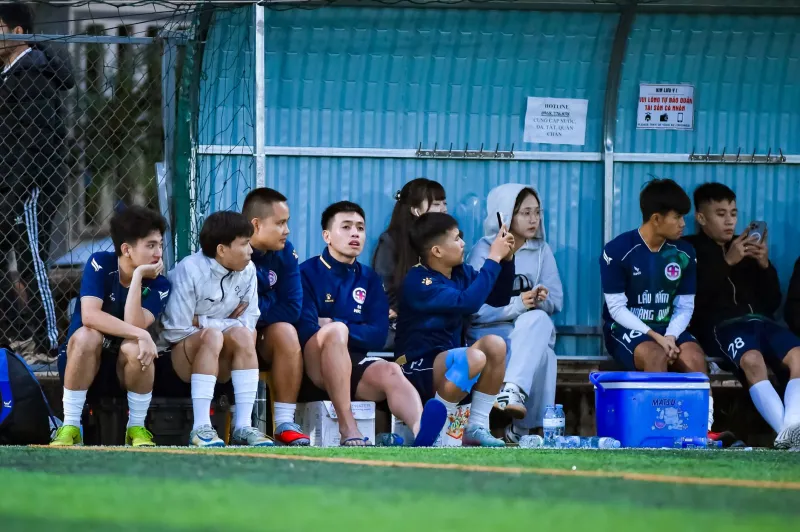
Every championship roster has a story. Usually it's about the star fragger, the veteran IGL, or the mechanical prodigy who showed up and went off. What that story almost never covers is the substitute who practiced twice as hard as everyone else, watched hours of footage nobody asked them to watch, and then came in cold during a semifinal — and delivered.
Bench players are one of the most underutilized assets in competitive gaming. Most teams treat the reserve spot like a waiting room. The best teams treat it like a laboratory.
The Myth of the Warm Seat
There's a common assumption in team-based esports that bench players are just starters who aren't quite good enough yet. That framing gets it completely backwards. The bench isn't a consolation prize — it's a different kind of competitive role, one that demands a specific mental toolkit that most starting players never have to develop.
When you're starting every match, you fall into rhythm. Patterns become automatic. That's great for consistency, but it can work against you when something unexpected happens in a high-pressure tournament setting. Starters get comfortable. Subs, by contrast, never really get that luxury.
A reserve player has to stay mentally locked in without the feedback loop of regular play time. They have to know the team's system well enough to slot in seamlessly, often with minimal warm-up, against opponents who've been prepping specifically for the starters. That's a different kind of pressure — and players who learn to thrive under it develop a resilience that's genuinely hard to coach.
How Elite Teams Actually Use Their Bench
The smartest esports organizations don't just keep subs around as insurance. They build structured development tracks that turn bench time into an active process.
One approach that's gained traction at the competitive level is intentional scrim rotation. Instead of running the same five every practice session, coaches will swap a substitute into the starting lineup for full scrim blocks — sometimes without warning. The goal isn't to test the sub. It's to stress-test the team's adaptability and force the sub to perform under realistic pressure with real stakes attached.
Coaches who use this method consistently report the same thing: subs who go through regular rotation develop situational awareness that starters often lack. Because they're constantly analyzing from the outside — watching how the team moves, where breakdowns happen, what the starters miss — they build a kind of bird's-eye understanding of the game that pure in-game reps don't always produce.
That perspective becomes a weapon when they actually step in.
The Observer Effect: Why Watching Teaches What Playing Can't
There's a reason sports analytics nerds love talking about players who transition into coaching — the best ones often had long careers watching from the bench. The same principle applies in esports.
Reserve players who take their role seriously spend a lot of time as observers. They're watching VODs of opponents, tracking meta shifts, identifying tendencies in the team's own play. They're doing all of this without the cognitive load of actually competing, which means they're often processing information at a deeper level than players who are too busy executing to reflect.
At 88CLB Arena, we see this play out constantly in team-based tournaments. The squads that go deep aren't always the ones with the flashiest starters. They're the ones where the bench players have clearly been doing the work — where a substitution doesn't feel like a downgrade, it feels like a gear shift.
If you're running a team and your sub can't articulate your opponents' tendencies after watching three of their matches, that's a development gap worth addressing.
Building a Bench Player Development System
So what does an actual bench development program look like in practice? It doesn't have to be complicated, but it does have to be intentional.
Assign specific film responsibilities. Your starters are focused on their own prep. Give your bench players ownership over opponent scouting. They watch, they report, they present. This keeps them engaged and gives them a direct way to contribute to the team's success — even when they're not in the starting lineup.
Run substitution drills in scrims. Mid-session swaps aren't disruptive — they're training. Practice the actual mechanics of bringing someone in, including the communication handoff, the brief sync-up, and the adjustment period. Teams that have never practiced substitutions fumble them in tournaments. Teams that drill it execute cleanly.
Create individual development goals. A bench player without a clear growth target is just waiting. Work with each reserve to identify specific skills they're building — a particular game mechanic, a communication habit, a decision-making pattern. Check in on those goals regularly. The bench spot should feel like a sprint, not a parking lot.
Let them lead scrim reviews. Rotate who runs the post-scrim debrief. When a bench player leads that session, they're forced to articulate what they saw at a level that earns the respect of the starters. It builds leadership muscle and reinforces their value to the team's culture.
The Clutch Factor You Can't Buy
Here's the thing about bench players who've been developed the right way: they don't feel pressure the same way starters do. Starters have expectations attached to their name. When they struggle, the narrative weight is immediate. Subs who come in have nothing to lose and everything to prove — and that psychological position is genuinely powerful.
Some of the most memorable moments in competitive gaming history have come from players stepping off the bench and delivering when the starters couldn't. It's not a coincidence. It's the product of a specific kind of preparation that only happens when teams treat their reserve roster as a legitimate priority.
If you're a bench player right now, sitting out more than you're playing — that time isn't wasted unless you waste it. Use it to become the most dangerous person on the roster. Know the team's system better than anyone. Know the opponents better than the starters do. Stay ready, because the moment it matters, you won't get a warm-up.
And if you're a captain or coach reading this: your bench is either a weapon you're building or a liability you're ignoring. There's not really a third option.
At 88CLB Arena, the teams that compete deepest into our brackets almost always have one thing in common — depth. Not just talent at the top, but players at every roster spot who are ready to step in and perform. That doesn't happen by accident. It happens because someone decided the bench mattered.
Make that decision for your team.