Open Mics, Open Books: How Streaming Your Practice Is Handing Opponents Your Entire Playbook
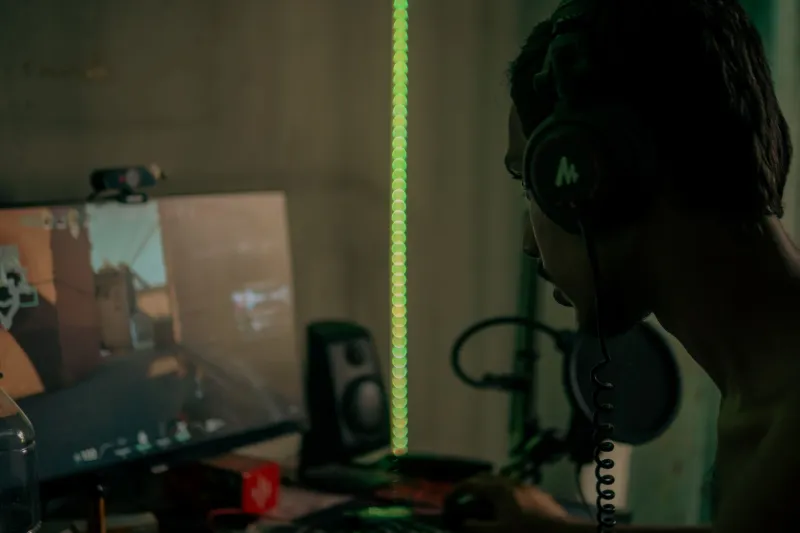
There's a grind happening in competitive gaming right now that looks like hustle but plays out like self-sabotage. Teams are streaming their scrims, posting VODs to YouTube, going live on Twitch during practice blocks — all in the name of content. The follower counts tick up. The clips get shared. And somewhere across the bracket, an opponent is taking notes.
This isn't a hypothetical. It's a pattern that shows up at every level of competitive play, from grassroots circuits on 88CLB Arena to mid-tier regional tournaments. The teams broadcasting their prep work think they're building a brand. What they're actually doing is publishing a scouting report — and handing it out for free.
What Opponents Actually Learn From Your Scrim Streams
Let's be specific, because "they'll see your strategies" sounds vague until you break it down.
When you stream a scrim, a motivated opponent isn't just watching for fun. They're cataloging. They're clipping the moments where your IGL calls a specific play in a specific situation. They're timing how long your team takes to rotate. They're watching which player hesitates, which one over-commits, which one goes rogue when the comms get messy.
Player tendencies are gold in competitive gaming. If your star fragger has a tell — a preferred angle, a consistent aggression pattern, a habit of peeking at a certain point in the round — that's exploitable. And if you've streamed 40 hours of scrims, you've given a prepared opponent 40 hours of material to find it.
Meta predictions are another layer. When you're experimenting with a new comp or testing a counter-strategy during practice, you're essentially previewing your tournament plans. If a rival team watches enough of your scrims, they can walk into a match against you with a prepared counter before you've even had a chance to establish what you're running.
The Content Trap Is Real — And It's Not Stupid to Fall Into
Here's the thing: the teams doing this aren't making a dumb call. Content creation is genuinely important for grassroots orgs trying to build an audience and attract sponsors. Streaming is one of the fastest ways to grow. Scrim content specifically performs well because it feels raw, authentic, and insider — viewers love the access.
The problem is the math doesn't always work out in your favor. Gaining 200 followers from a scrim stream is a win. Losing a tournament match because your opponent studied three weeks of your practice footage is a loss that costs you prize money, ranking points, and momentum. Those aren't equivalent outcomes.
The teams that figure this out early start separating their content strategy from their competitive strategy. They're not the same thing, and treating them like they are is where the trouble starts.
When Streaming Scrims Actually Makes Sense
This isn't a blanket argument against ever going live during practice. Context matters a lot.
If you're playing a game where the meta shifts fast and any strategy you develop today will be outdated in two weeks anyway, the competitive risk of streaming is lower. If your team is early-stage and still figuring out the basics, the value of community feedback and the audience-building upside might genuinely outweigh the scouting risk.
Streaming scrims also makes more sense when you're not playing against the people watching. A team grinding ranked in a North American server, streaming for a European audience that they'll never face in a tournament? The strategic exposure is minimal. The content value is real.
The calculus flips when you're deep in a competitive season, running plays you actually plan to use, and broadcasting to an audience that includes teams you're likely to face on the bracket. That's the scenario where the camera needs to go off.
How Smart Teams Protect Their Playbook
The most competitive orgs — even at the amateur and semi-pro level — treat their practice sessions the way football teams treat their film sessions. Not everything is public. Not everything is shareable. Some of what happens in prep stays in prep.
A few approaches that actually work:
Delayed VOD release. Stream the scrim, but don't publish the VOD until after the tournament where you used those strategies. Your audience still gets the content. Your opponents don't get the preview.
Separate your content sessions from your real practice. Some teams designate specific "content scrims" where they're less focused on developing competitive strategy and more focused on creating watchable moments. Those go live. The serious prep blocks don't.
Scrub your communication. If you do stream, consider whether your IGL's callouts are giving away more than your gameplay is. Muting or delaying the audio during tactical moments is an option. It's not perfect, but it adds a layer of protection.
Know your opponent pool. Before a big tournament, it's worth asking who's likely watching your content. If a rival team is a known viewer, that's a signal to dial back what you're putting out publicly in the weeks before you face them.
The Bigger Picture: Building Audience Without Building a Scouting Database
There's no shortage of content formats that grow an audience without exposing your competitive strategy. Highlight reels, analysis breakdowns of other teams' matches, player profiles, behind-the-scenes org content — all of it performs well and none of it tells your opponents how you play.
The teams winning on 88CLB Arena aren't the ones who sacrifice competitive advantage for follower counts. They're the ones who figured out how to build both — by being smart about what they show and when they show it.
Content and competition can coexist. But they need different boundaries. The moment your streaming schedule starts shaping your opponent's game plan, you've crossed the line from content creator into unpaid scout.
Turn the camera on. Just know what you're filming.