Your Best Players Are Getting Lazy — And Your Bench Is the Fix

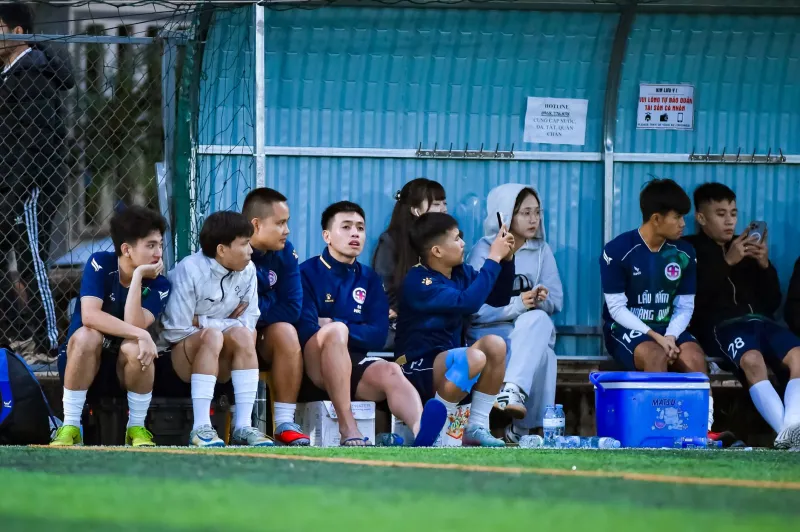
Here's something most competitive gaming teams get completely backwards: they spend all their energy on their starting five (or six, or whatever your game demands), and their bench players become an afterthought. Show up, watch, maybe get some reps in a throwaway scrim. That's it.
Big mistake. A huge one.
Because the teams that actually build sustained success — the ones that keep performing deep into tournament brackets instead of flaming out after one good run — aren't just managing their starters well. They're weaponizing their bench. And the side effect of doing that? Their starters get sharper, hungrier, and way harder to beat.
This isn't some theoretical coaching philosophy. It's a real, repeatable system, and you don't need the budget of a T1 or Cloud9 to make it work.
The Comfort Trap Every Starter Falls Into
Think about the last time your starting roster went unchallenged for a few weeks. Maybe you ran the same lineup through a tournament stretch, everyone kept their roles, and things were going fine. What happened to the energy in practice?
If you're being honest, it probably got a little flat. Not dramatically — nobody stopped trying — but there was less urgency. Less edge. Players started defaulting to comfortable habits instead of pushing into new territory. The hunger that got them that starting spot in the first place started to fade.
That's the comfort trap, and it catches almost every team eventually. When your position feels secure, the brain naturally throttles back. It's not laziness exactly — it's human wiring. We conserve energy when survival isn't on the line.
The fix isn't to manufacture fake drama or start benching people arbitrarily. The fix is building a bench that makes starters feel the heat organically.
What "Bench Engagement" Actually Means
Keeping your bench warm isn't about giving substitutes sympathy reps. It's about integrating them into the competitive ecosystem of your team in a way that creates genuine internal pressure.
That looks like a few specific things in practice:
Bench players scrim against the starting lineup regularly. Not just filling in when someone's absent — actually running sets against the starters as an opposing unit. When your starting mid-laner gets outplayed by someone from your own bench in a Wednesday scrim, that stings. And that sting is productive. It forces recalibration.
Substitutes participate in strategy sessions, not just the starters. When bench players are in the room for film review, meta discussions, and game-plan breakdowns, two things happen. First, they develop faster because they're absorbing high-level thinking. Second, they start contributing ideas — and sometimes those ideas expose blind spots the starting lineup didn't know they had.
Playing time isn't treated as sacred. On the best-run teams, starting spots are earned on a rolling basis, not permanently assigned after tryouts. Even if your starters are clearly the stronger players right now, the possibility of rotation keeps everyone accountable.
The Pressure Cooker Effect
Here's the counterintuitive part: when substitutes are genuinely competitive — when they're developing, contributing, and visibly closing the skill gap — starters don't resent it. They rise to meet it.
It's the same psychology behind elite military units or Division I sports programs. When the person behind you is capable and motivated, you don't get to coast. You have to keep earning your spot, and that sustained effort is exactly what prevents the performance decay that tanks so many teams mid-season.
For smaller orgs and grassroots teams on platforms like 88CLB Arena, this is actually a competitive advantage you can deploy right now. You don't need a six-figure coaching staff to create internal competition. You just need to stop treating your bench like furniture.
Building the System Without a Pro Org Budget
Let's get practical. Here's how to implement a real bench engagement system even if your team is completely self-funded and running scrims out of Discord.
Assign bench players specific roles in prep. Give each substitute a scouting assignment before a tournament match. Have them pull clips of the opposing team, identify tendencies, and present their findings to the full roster. This keeps them mentally locked in and often produces genuinely useful intel.
Run internal 1v1 or role-specific drills between starters and their bench counterparts. A starting support going head-to-head in positioning drills against their backup isn't just good practice — it's a direct signal that the competition is real.
Rotate starters into lower-stakes matches intentionally. If you're playing a mid-tier tournament where the stakes are lower, give bench players meaningful starts. Let them perform under real pressure while starters watch. There's nothing quite like watching your backup play your role in a live match to remind you what you're protecting.
Create transparent performance metrics everyone can see. When stats from scrims and matches are visible to the whole roster, the bench isn't just hoping for a shot — they're building a data-driven case for one. And starters can see exactly where the gap is closing.
The Depth Chart Is a Living Document
One mindset shift that makes all of this work: stop thinking of your roster as a fixed hierarchy and start thinking of it as a living depth chart. Positions shift. Form fluctuates. Someone who was clearly the best option three weeks ago might be going through a rough patch while their backup is playing the best gaming of their life.
Teams that can adapt to that reality — that have the systems and the culture to make substitutions based on performance rather than ego or seniority — are the ones that stay dangerous across a full season instead of peaking early and fading.
And the beautiful irony is that when starters know the depth chart is genuinely fluid, they almost never let themselves fade. The threat of losing the spot is usually enough to keep the edge sharp.
Don't Let Your Bench Collect Dust
If you're a team captain or org leader reading this, take an honest look at how your substitutes are being used right now. Are they getting real scrim time? Are they in strategy sessions? Do they have a clear path to playing time, or is the starting lineup basically untouchable?
If it's the latter, you're leaving development on the table — and you're accidentally giving your starters permission to get comfortable.
The best competitive teams aren't just deep. They're deep in a way that makes everyone on the roster better. Build that environment, and you won't just have a stronger bench. You'll have a stronger team, top to bottom, every single week.
And in a tournament bracket, that kind of depth doesn't just fill gaps. It wins championships.