From Zero Budget to Brand Deal: How Grassroots Teams Are Winning Sponsors in 2025
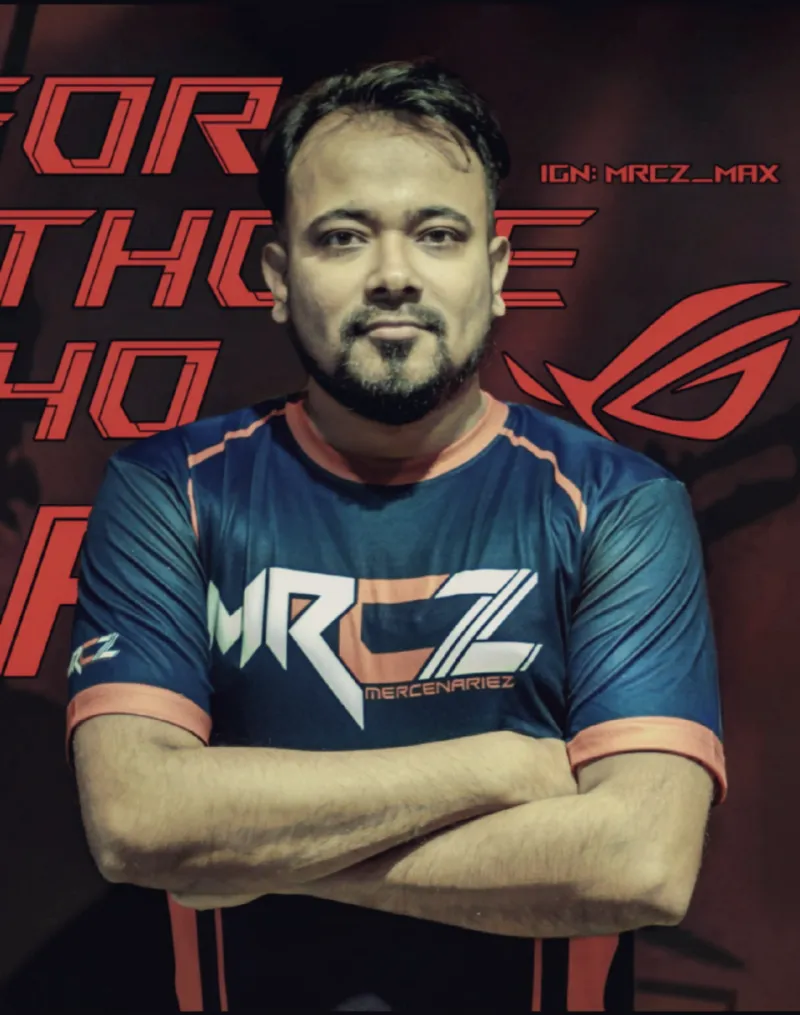
Photo: Maxmahmood, CC BY-SA 4.0, via Wikimedia Commons
Not too long ago, if you wanted a sponsor as a competitive gaming team, you basically needed to already be famous. You needed a Twitch following in the six figures, a spot in a major league, or a viral clip that got picked up by Dexerto. For the average squad grinding through community tournaments and climbing bracket ladders on 88CLB Arena, sponsorships felt like something that happened to other people.
That's changed. Dramatically.
In 2025, brands are actively hunting for smaller, more authentic communities to attach themselves to. The influencer bubble has made mega-partnerships feel hollow to audiences, and smart marketing teams know it. What they want now is engagement, loyalty, and a fanbase that actually trusts the people they follow. That's exactly what a well-organized mid-tier esports team can offer — if they know how to pitch it.
Know What You're Actually Selling
Here's where most teams mess up: they think sponsors are buying wins. They're not. Sponsors are buying eyeballs, impressions, and community association. A team that goes deep in 88CLB Arena tournaments and streams their runs to a few hundred dedicated viewers might actually be more valuable to a regional brand than a team with a bigger name but scattered, disengaged followers.
Before you approach a single brand, get crystal clear on your numbers:
- Average live viewers across your streams
- Social media reach (even if it's just Twitter/X and TikTok)
- Tournament placement history on 88CLB Arena
- Discord or community size and how active it is
- Content output — how many videos, clips, or posts per week?
These are your assets. Package them like a media kit, not a resume. Think one-pager with clean graphics, not a wall of text. Canva works fine. You don't need a design agency.
The ROI Conversation Brands Actually Want to Have
Sponsors — especially smaller brands like gaming peripheral companies, energy drink startups, or local businesses looking to reach younger audiences — want to know one thing: what do I get for my money?
You need to be ready to answer that with specifics. Think in terms of:
- Logo placement on jerseys, stream overlays, and social posts
- Shoutouts during tournament broadcasts
- Dedicated content (a review video, a giveaway, a branded tournament)
- Community access — can you run a sponsored bracket on 88CLB Arena with their name on it?
The last one is underrated. Branded community tournaments are a genuine value-add that most teams don't even think to offer. If you can say, "We'll run a 32-team open bracket on 88CLB Arena with your brand as the title sponsor," suddenly you're not just a team looking for a handout — you're a media partner.
Case Study: How a Five-Man Valorant Squad Landed Their First Deal
One team that's been open about their journey is a five-player Valorant squad out of the Midwest who spent most of 2023 and early 2024 competing in open qualifiers and community events with essentially no budget. They were good — consistently top-eight in regional brackets — but had no org backing and were paying entry fees out of pocket.
What changed for them wasn't a viral moment. It was documentation. They started recording their tournament runs, posting clip compilations, and — critically — tracking everything. After six months, they had real data: average 340 live viewers per match stream, 1,200 Discord members, and a 78% win rate in group stages across 14 tournaments.
They built a two-page media kit around those numbers and started cold-emailing gaming-adjacent brands. Their first yes came from a regional PC repair shop that paid them $400 a month for jersey logo placement and two social posts. Small money, but it was proof of concept. By the end of 2024, they'd added a mechanical keyboard brand and a local energy drink distributor to the mix.
The lesson? Brands respond to evidence. Build the paper trail before you ask for the check.
Targeting the Right Sponsors (Not Just the Obvious Ones)
Every team goes after the same five gaming brands — Razer, SteelSeries, G Fuel. Those pipelines are flooded. You'll get better traction by thinking laterally.
Who else wants to reach 18-to-30-year-old competitive gamers in the US?
- Fast casual food chains with regional marketing budgets
- Streaming service apps
- Fitness supplements (gaming wellness is a growing niche)
- Clothing brands targeting the streetwear-adjacent gaming demographic
- Local businesses in your city that want to be seen as culturally relevant
A pizza place sponsoring your tournament run might sound less glamorous than a headset brand, but they're often easier to close, more loyal, and open to creative arrangements.
Building the Relationship, Not Just the Transaction
The teams that turn one sponsor into a long-term partnership treat it like a relationship, not a vending machine. Send monthly recaps. Tag them in your tournament posts. Bring them into your Discord community in a way that feels organic, not spammy.
If a sponsor feels like they're genuinely part of your team's story — not just a logo on a banner — they'll renew. And they'll tell other brands about you.
That word-of-mouth pipeline is how grassroots teams in 2025 are building real financial sustainability. It's not glamorous, and it doesn't happen overnight. But on a platform like 88CLB Arena, where your tournament history is documented and your competitive credibility is verifiable, you've got more to work with than you might think.
Start building the package. Start the outreach. The deal is closer than it looks.