Scrims Aren't Just Practice Anymore — They're Your Team's Secret Weapon
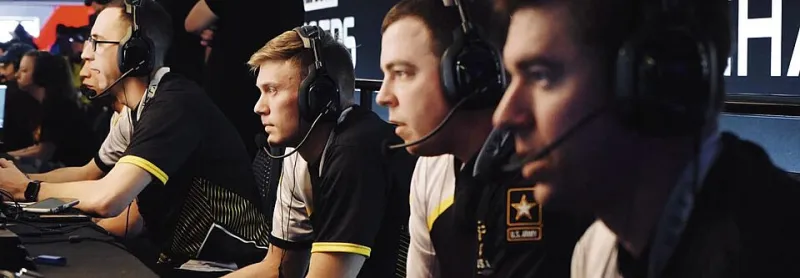
Photo: U.S. Army, Public domain, via Wikimedia Commons
There's a moment every serious competitive team hits where grinding ranked just doesn't cut it anymore. The lobbies are inconsistent, the coordination is nonexistent, and the opponents you're facing aren't playing anything close to tournament-level strategy. That's when teams start leaning hard into scrimmages — and the ones doing it right are pulling so far ahead it's almost unfair.
Scrims have quietly evolved from glorified warm-ups into one of the most valuable tools in a competitive team's arsenal. On platforms like 88CLB Arena, where organized competition is the whole point, understanding how to structure and exploit your scrim schedule could be the difference between showing up to a tournament confident or getting knocked out in bracket play wondering what went wrong.
What Scrims Actually Are (And What Most Teams Get Wrong)
A scrim — short for scrimmage — is a private practice match between two competitive teams. Unlike public matchmaking, both sides are playing with intention: testing compositions, running coordinated strategies, and generally treating the match like it matters. The catch is that a lot of teams treat scrims like slightly more serious ranked games and walk away with nothing but a vague sense of whether they won or lost.
That's leaving a ton of value on the table.
The teams that are actually getting better from scrims aren't just playing them — they're documenting them. Replays get reviewed. Notes get taken. Patterns get identified. When you start tracking what strategies opponents run in certain situations, which teammates crack under pressure in specific scenarios, and how your own rotations hold up against coordinated aggression, you're building something more valuable than match experience. You're building a database.
The Intel Game: Using Scrim Data Like a Chess Player
Here's where things get interesting. Elite rosters — especially at the collegiate and semi-pro level — use scrim data the way football teams use film sessions. They're not just watching to feel good about highlights. They're identifying tendencies.
Does that opposing team's IGL always call an aggressive push when they're up by a certain margin? Does their star player consistently over-extend when they get a kill? Are there specific map positions they never contest? This kind of information is gold in a tournament setting, and it only exists if you've played against them in controlled conditions and actually paid attention.
On 88CLB Arena, where you can connect with other competitive teams and set up organized matches, you have the opportunity to build a real scrim network. The more varied your scrim partners, the more data you accumulate — and the broader your understanding of the current meta becomes from multiple angles, not just your own.
Stress-Testing Compositions Before It Counts
One of the most underrated uses of scrimmages is composition testing. Every team has that one wild strat they've been theorycrafting in Discord at 2 a.m. that nobody's willing to commit to in a real match. Scrims are exactly where that should get tested.
Running an experimental lineup in a tournament is a gamble. Running it in five scrims first is research. You'll find out fast whether the synergy you imagined actually holds up against coordinated opponents, or whether it falls apart the moment someone applies real pressure. Teams that arrive at major tournaments having already stress-tested their compositions across dozens of scrim reps have a massive psychological edge — they're not guessing whether their strategy works. They already know.
This is especially relevant when a meta shift happens mid-season. Patches, balance updates, and new content drops can flip the competitive landscape overnight. Teams that immediately pivot to scrimmage-heavy schedules after a big update are the ones who figure out the new meta first and arrive at the next tournament already adapted while everyone else is still catching up.
Building a Scrim Schedule That Actually Works
Random scrims are better than no scrims, but a structured schedule is where the real gains live. Here's a framework that works for most competitive rosters:
Early week (Monday–Tuesday): Review previous tournament or scrim footage. Identify two or three specific things to work on. Set the agenda before you queue up.
Mid week (Wednesday–Thursday): High-intensity scrim blocks against opponents at or above your skill level. Focus on executing the things you identified in review. This isn't the time to freestyle — run your systems.
Late week (Friday): Lighter scrim day focused on experimentation. Test the weird strats. Try the new composition. Use this session as a low-stakes lab.
Pre-tournament (day before): Keep it short. One or two scrims max, playing your A-game strats to build confidence. You're not trying to learn anything new — you're reminding your hands and your brain what good execution feels like.
Finding the Right Scrim Partners
The quality of your scrim partners matters almost as much as the scrims themselves. Playing against teams significantly below your level might feel good, but it won't prepare you for the competition you'll actually face. Conversely, getting stomped by teams way above your level every single session can erode confidence without providing useful feedback.
Aim for a mix. A few opponents slightly above your current level keeps you sharp and humble. A few at your level give you clean data on how your strategies perform in fair conditions. And occasionally punching up against a clearly superior team teaches you things about high-level play that you simply can't learn any other way.
88CLB Arena's community structure makes it genuinely easier to find teams at specific competitive levels and establish ongoing scrim relationships — which matters, because consistency with the same scrim partners over time builds a richer data set than one-off matches with strangers.
The Bottom Line
Scrims aren't just where you practice. For teams that approach them with intention, they're where you build your tournament game plan, test your limits, and develop the kind of deep situational awareness that separates good teams from championship-level ones. Start treating every scrim session like it's generating intelligence, not just reps — and watch how quickly your squad's performance in real competition starts to reflect it.