Stop Going It Alone: 5 Battle-Tested Strategies for Finding Your Squad on 88CLB Arena
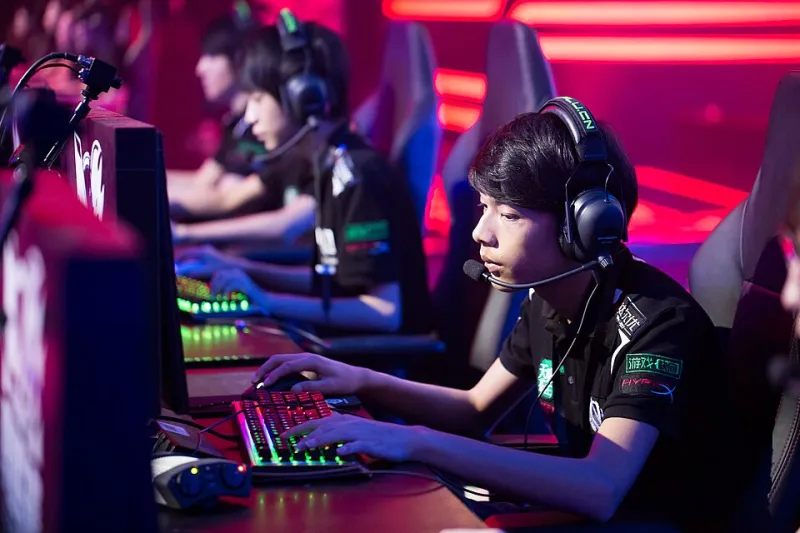
Photo: Bruce Liu, CC BY-SA 3.0, via Wikimedia Commons
Solo queue is a grind. You know it, we know it, and honestly, your blood pressure knows it too. There's a ceiling to how far individual skill will carry you in team-based competition, and at some point, every serious player hits it. The next step — the one that actually opens the door to meaningful tournament runs — is building a real team.
But "just find good teammates" is advice that sounds easy and lands like a wet paper bag in practice. So let's get specific. Here are five strategies that successful teams on 88CLB Arena have actually used to go from a group of randoms to a cohesive, competitive squad.
1. Define Your Team Identity Before You Recruit Anyone
This one gets skipped constantly, and it kills more teams before they even start than any skill gap ever could. Before you post a single recruitment message or reach out to a single player, you need to be able to answer three questions clearly:
What game and role are you building around? Be specific — not just "FPS" but the title, the game mode, and the rank range you're targeting.
What's your competitive goal? Are you aiming to place in 88CLB Arena's weekly tournaments? Build toward a serious bracket run? Compete casually but consistently? There's no wrong answer, but mismatched expectations between teammates are one of the top reasons teams fall apart within the first month.
What kind of team culture do you want? High-intensity, VOD-review-every-session type? Or more laid-back, good-vibes-first with competitive ambition? Both are valid. Mixing them is a disaster.
Get those answers locked in, write them down, and use them as your filter for every recruiting conversation going forward. Teams that skip this step end up with five talented players who can't agree on anything.
2. Use the 88CLB Arena Community Features to Recruit Smarter
Random Discord servers and Reddit posts can work, but you're fishing in a much bigger pond than you need to be. The 88CLB Arena platform is specifically built for competitive team formation — use it.
The platform's community features let you search for players by game, rank, availability, and role. When you're posting a recruitment listing or reaching out to prospects, lead with your team identity (see Strategy 1). Specificity attracts the right people and filters out the wrong ones before you've wasted anyone's time.
One of the standout success stories from the platform is a Valorant squad called Static Surge, who assembled their full five-man roster entirely through 88CLB Arena's player matching tools. According to their IGL (in-game leader), the key was being almost brutally specific in their listing: "We put the rank floor, the schedule, the goal, and even what kind of communication style we wanted. We got fewer responses than a vague post would've, but almost every person who reached out was actually a fit."
Quality of recruits beats quantity every single time.
3. Treat Your First Three Scrimmages Like a Job Interview — For Everyone
Here's a mindset shift that makes a real difference: your early scrimmages aren't just practice. They're evaluations — and that goes both ways. You're evaluating potential teammates, and they're evaluating you and your team environment.
Structure those first few sessions with intention. Play a few rounds, then pause for a debrief. How does this person communicate when things go wrong? Do they point fingers or problem-solve? How do they handle coaching? How do they respond to a teammate's mistake?
Mechanical skill is visible in gameplay. Character and coachability only show up in how someone behaves under a little stress. Those early scrimmages are your best window into both.
Also worth noting: don't stack your early roster with all your best players immediately. Give yourself some flexibility. Teams that lock in a full five-person roster before they've actually played together often find themselves stuck with a bad fit and no graceful way out.
4. Build a Communication System Before You Need One
Every team talks about communication. Very few actually build a system for it. There's a difference.
A communication system means agreed-upon callout terminology (consistent across all five players, not whatever each person learned from their solo queue days), defined roles for information sharing during matches (who calls rotations, who manages economy or cooldowns, who anchors the comms when things get chaotic), and a protocol for post-match discussion that doesn't turn into a blame session.
For teams competing in 88CLB Arena tournaments, this matters more than most players expect going in. Tournament environments are higher stress than scrimmages, and communication tends to degrade under pressure unless it's been deliberately practiced and systematized.
Start simple. In your first few team sessions, agree on ten to fifteen core callouts specific to the maps or modes you play. Practice using them consistently. Add structure from there. A team with average mechanics and excellent communication will beat a team with great mechanics and chaotic comms more often than you'd think.
5. Schedule Consistency Beats Intensity Every Time
This is probably the most practical piece of advice on this list, and it's the one teams most often ignore until they've already burned out once.
Two or three consistent practice sessions per week, every week, will build more team chemistry and competitive improvement than a single weekend of ten-hour marathon sessions followed by three weeks of irregular, whenever-everyone's-available play. Consistency creates rhythm. Rhythm creates trust. Trust creates the kind of in-game synergy that looks like telepathy from the outside.
When you're forming your team, have the scheduling conversation early and honestly. Find the overlap in everyone's availability and commit to it. Put it on a shared calendar. Treat it like the commitment it is.
Teams on 88CLB Arena that sustain themselves long enough to become genuinely competitive almost universally have this in common: they showed up regularly, even when the sessions weren't flashy, even when they lost a bunch, even when life got busy. That consistency is what separates the teams that make a run at the bracket from the ones that dissolve after a month.
The Squad Is Out There — Go Find Them
Building a team is harder than queuing solo, and it's worth every bit of the extra effort. The experience of competing as a cohesive unit — calling a play that works, winning a round through pure coordination, climbing a tournament bracket with people who've got your back — is what competitive gaming at its best actually feels like.
88CLB Arena exists to make that experience accessible. The tools are there. The community is there. All that's left is you putting in the work to build something worth competing with.
Compete. Connect. Conquer. Now go find your squad.