Dead Before Year One: The Brutal Truth About Why Esports Orgs Collapse Before They Ever Get Started
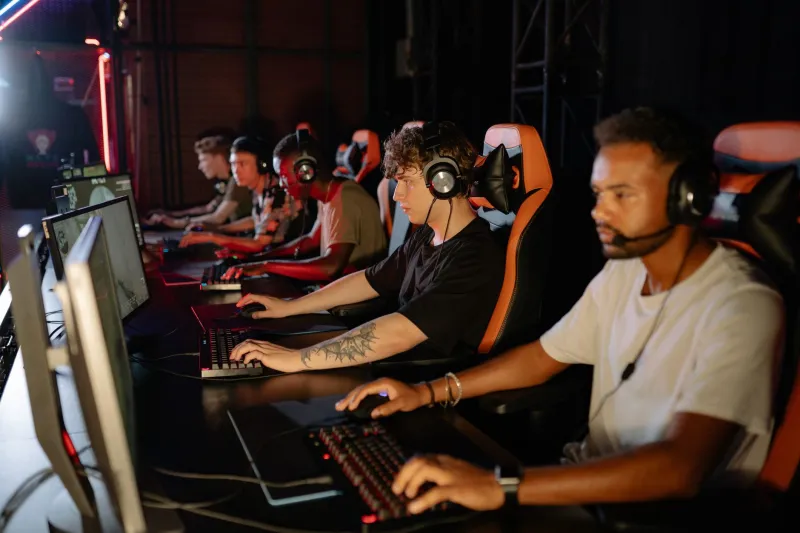
Every week, somewhere in the US, a group of talented players gets together, picks a cool name, designs a logo in Canva, and declares themselves an esports organization. They've got the energy. They've got the talent. A few of them might even have a little startup cash. And within six months, the majority of them are completely done.
No dramatic fallout. No viral drama post. Just a Discord server that stops getting messages and a Twitter account that never gets deleted.
We talked to founders who've been through it — some who crashed and burned, a few who actually made it out the other side — and what they described wasn't bad luck. It was a set of totally predictable, totally avoidable mistakes that new orgs make over and over again.
The "We'll Figure It Out" Financial Plan
If there's one thing that kills orgs faster than anything else, it's treating money like a problem that solves itself later.
"We just assumed sponsorships would come once we started winning," said one founder who ran a Valorant org out of Texas that folded after eight months. "Nobody sat down and actually wrote out what it costs to run a team for a year. Tournament fees, equipment, maybe travel if you go to a LAN — it adds up way faster than you think."
He's not alone. A huge chunk of new orgs operate on vibes and hope when it comes to finances. Founders pool personal money, maybe get a few small donations from friends, and then spend it on jerseys before they've secured a single revenue stream.
The orgs that survive are the ones who treat the financial side like a business from day one — even if the amounts are small. That means a written budget. It means knowing what your monthly burn rate actually is. It means not spending money on branding before you've figured out how you're keeping the lights on.
Structure Is Boring Until It Isn't
Here's something nobody talks about when they're hyped up about launching an org: the org chart matters. A lot.
When everyone has a title but nobody has clearly defined responsibilities, things fall through the cracks constantly. Who handles player contracts? Who talks to sponsors? Who makes the final call when two players have a conflict? If the answer to any of those is "whoever gets around to it," you've already got a problem.
"We had five 'co-founders' and every decision turned into a group argument," said the captain of a League of Legends team that dissolved after a particularly brutal tournament run. "There was no hierarchy. Nobody wanted to be the bad guy. So nothing actually got decided until it was too late."
Successful orgs — even small ones operating out of a shared Google Drive — assign ownership. Someone is the GM. Someone is the team manager. Someone handles the business side. Those roles can overlap on a small team, but they need to exist and they need to be respected.
Recruiting for Clout Instead of Culture
This one stings because it's so easy to fall into.
New orgs often recruit based on rank, reputation, or social media following. They want the guy with the most clips on TikTok. They want the player everyone in the community knows. What they don't ask is: does this person actually want to build something, or do they just want a tag next to their name?
Player churn is one of the top killers of early-stage orgs. You spend weeks recruiting someone, get them onboarded, maybe even pay for their tournament entry fees — and then they bounce the second a slightly bigger org slides into their DMs.
Orgs that make it through year one tend to recruit for buy-in first, skill second. They look for players who are genuinely excited about the org's vision, not just the opportunity. That's a harder thing to screen for, but it's worth slowing down the recruitment process to get right.
On platforms like 88CLB Arena, you can actually see how players engage with the community over time — who's consistently showing up, who's building relationships, who's in it for the long haul. That behavioral data matters way more than a rank badge.
Burning Players Out Before Playoffs
Here's a pattern that shows up constantly: an org launches, everyone is fired up, and they immediately commit to the most grueling schedule imaginable. Five scrims a week. Every available tournament. VOD review sessions that go past midnight on school nights.
For the first month, the energy is incredible. By month three, half the roster is exhausted and two players are quietly looking for a way out.
Competitive gaming is mentally demanding in ways that even the players themselves sometimes underestimate. Burnout in esports is real, it hits fast, and it doesn't announce itself until you're already deep in it.
The orgs that survive build sustainable practice schedules. They treat rest as part of the competitive strategy, not a reward for winning. They check in with players about how they're doing — not just how they're performing. That stuff sounds soft until you watch your team fall apart in the middle of a tournament run because three players haven't slept properly in two weeks.
The Milestone Problem
One of the subtler mistakes new orgs make is failing to define what success looks like at the six-month and one-year mark.
Without milestones, orgs drift. They keep grinding without any sense of whether they're actually making progress. And when things get hard — and they will get hard — there's nothing concrete to point to as a reason to keep going.
Successful org leaders set clear, measurable goals early. Not vague stuff like "get better" or "grow the brand." Specific things: place top four in X tournament by this date, hit Y followers by this quarter, secure Z in sponsorship revenue by the end of the year.
Those benchmarks create accountability. They also create momentum. Hitting a milestone, even a small one, gives a team something to celebrate and a reason to believe the next one is possible.
So What Actually Works?
The orgs that make it through year one aren't necessarily the most talented. They're the most organized. They treat the operational side of running a team with the same seriousness they bring to in-game preparation. They recruit for culture. They budget before they spend. They protect their players' energy.
None of that is glamorous. It doesn't make for great content. But it's the difference between still being here in twelve months and being another org that people vaguely remember existed.
If you're building something right now — or thinking about it — the competitive opportunity on platforms like 88CLB Arena has never been better. The barrier to entry is low. The communities are real. But the work of actually running a team that lasts? That part's on you. Do it right from the jump, and you'll already be ahead of most of the competition.