Why Great Online Teams Fall Apart at LAN — And How to Make Sure Yours Doesn't
Photo: No machine-readable author provided. Boivie assumed (based on copyright claims)., Public domain, via Wikimedia Commons
You've seen it happen. A team rolls through online qualifiers looking like a well-oiled machine — crisp communication, clean rotations, confident decision-making. Then they show up to a LAN event and look like five strangers who met in the parking lot. The callouts are off. The timing is wrong. The chemistry that seemed unshakeable online just... evaporates.
This isn't a fluke. It happens often enough that experienced tournament organizers and coaches have a name for it: the format switch problem. And if your team is building toward any kind of high-stakes competition — whether that's a regional qualifier, a college tournament, or a major event through 88CLB Arena — understanding why this happens is the first step to making sure it doesn't happen to you.
The Technical Stuff Nobody Talks About Enough
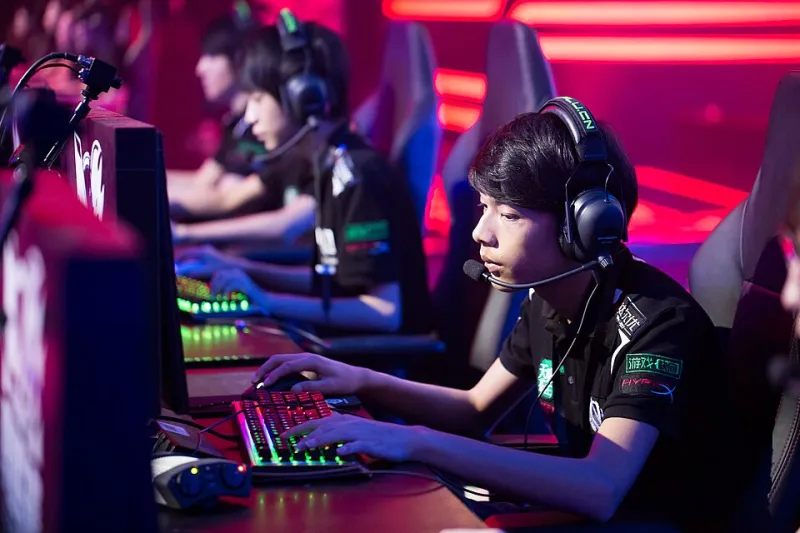
Let's start with the most concrete piece of the puzzle: lag. Online play almost always involves some degree of input latency and network variability. Most players adapt to this unconsciously over time, developing subtle timing adjustments that compensate for their specific internet conditions. It becomes muscle memory.
At LAN, the connection is typically near-zero latency. Games feel different — snappier, more immediate. For some players this sounds like a dream, but the reality is that your calibrated timing is now slightly off. Flicks that would have connected online miss by a hair. Ability timing that felt perfect in your home setup feels early. These are small differences, but at a competitive level, small differences are everything.
The fix isn't complicated, but it does require intention. If you have any access to low-latency local play before a LAN event — even just a group session at a local gaming café or a friend's house with a wired setup — take it. Getting even a few hours of play at LAN-like conditions recalibrates those muscle memory adjustments before they cost you a match.
Communication Completely Changes in Person
Here's the one that catches teams off guard the most: voice communication at LAN is nothing like Discord or in-game voice chat. When you're playing online, everyone is in their own space, talking into a headset, with some degree of audio filtering and delay baked into the experience. You've developed a rhythm around that.
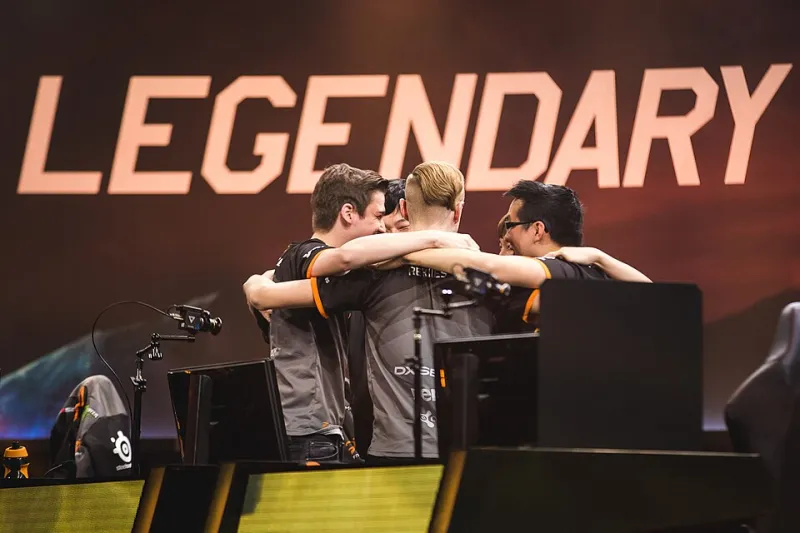
At LAN, you're sitting next to your teammates. You can hear them without a headset. You can feel the energy in the room when someone's tilting. You can hear the crowd if there is one. All of that is new sensory input that your team has never had to process together, and it absolutely affects communication.
Teams that have never played in-person together often find that their callout cadence breaks down. People talk over each other. Someone goes quiet because they're distracted by the physical environment. The IGL who sounds completely calm and authoritative over Discord suddenly seems hesitant when their voice is literally in the same room as everyone else.
The only real preparation for this is doing it. If your squad is serious about competing at LAN events, finding opportunities to play in person before the big moment is non-negotiable. Use 88CLB Arena to connect with local players and teams, organize meetups, and get reps in a shared physical environment. The first time you play together in person shouldn't be at a tournament.
The Psychological Weight of Being There
Online competition has a psychological buffer built into it. You're in your room. Everything is familiar. If a round goes badly, you can take a breath, grab some water, reset. The stakes feel real but the environment is safe.
LAN strips all of that away. You're in an unfamiliar space, potentially in front of an audience, under lights, with tournament officials nearby and opponents you can actually see. For players who've never experienced that environment, it triggers a stress response that can look a lot like choking — because physiologically, it basically is.
The heart rate goes up. Decision-making slows down. Players who are normally aggressive and decisive start second-guessing. Teams that communicate constantly online go quiet because everyone's in their own head.
This is where mental preparation becomes a tactical issue, not just a personal one. Teams that have discussed — out loud, as a group — how they're going to handle the physical LAN environment are significantly more resilient when they actually get there. Talk about it in practice. Acknowledge that it's going to feel different. Agree on how you'll reset as a team if things start going sideways. Having that conversation in advance means you're not having it for the first time mid-match when you're already stressed.
Simulating the Pressure Before It's Real
One of the smartest things competitive teams do before a major LAN is manufacture pressure in practice. This means treating certain scrim sessions or internal matches as if they're actual tournament games — no pausing, no do-overs, enforced communication rules, maybe even a small stakes wager between teammates to get the nerves firing.
The goal is to make your nervous system familiar with performing under pressure so that when the real thing arrives, it doesn't feel entirely foreign. Athletes call this stress inoculation. You're essentially pre-loading the discomfort so you can function through it.
On 88CLB Arena, where organized competitive formats are part of the platform's DNA, you can use tournament brackets and structured competitive events as pressure simulations even before you step foot at a physical LAN. Treat every organized event on the platform seriously. Play as if it's the finals. Build the habit of performing under stakes.
A Quick Pre-LAN Checklist for Your Squad
If a LAN event is on your horizon, here's a practical rundown of things to lock in beforehand:
- Play in person at least once before the event. Even a few hours matters.
- Test your setup on a low-latency wired connection to recalibrate your timing.
- Review and simplify your callout system. Fewer, cleaner callouts work better in noisy or high-pressure environments.
- Have a team reset routine. Agree on what you'll do between rounds when things go wrong — a word, a gesture, anything that signals it's time to refocus.
- Talk about the environment openly. Normalize the fact that it'll feel different so nobody's caught off guard.
- Run at least two or three high-pressure practice sessions where you enforce real-match conditions with no breaks.
The Teams That Survive the Switch
The difference between teams that fall apart at LAN and teams that thrive there isn't talent — it's preparation. The format switch punishes squads that have only ever existed in comfortable, familiar conditions. It rewards the ones who've deliberately put themselves in uncomfortable situations, adapted to different communication dynamics, and built the kind of trust that holds up when everything around them is new and stressful.
If your team is building toward something real, start treating the format switch as a skill to develop — not a problem to hope doesn't show up.