Roster Roulette No More: How to Actually Build a Team Worth Competing With
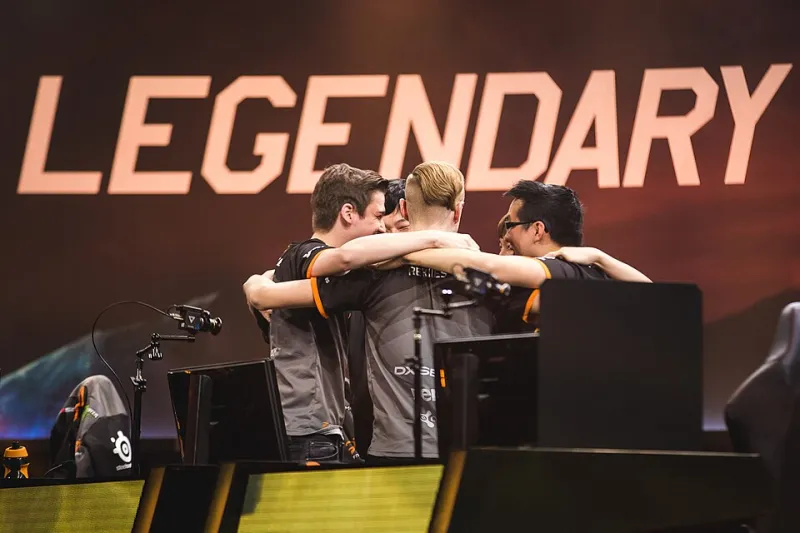
Photo: Bruce Liu, CC BY-SA 3.0, via Wikimedia Commons
Building a competitive esports roster sounds straightforward until you're actually doing it. You post in a community forum, get twenty responses, run a few scrimmages, and suddenly realize that half your applicants can't communicate, two of them play the exact same role, and the one genuinely talented player you found ghosts you after the first practice session.
Sound familiar? You're not alone. New team captains make the same avoidable mistakes over and over — not because they're bad leaders, but because nobody ever taught them what smart roster construction actually looks like. Let's fix that.
Start With the Map, Not the Players
Before you recruit a single teammate, you need to know what you're building toward. The most common mistake new captains make is collecting players first and figuring out team identity later. That's backwards.
Start by defining your composition needs based on your game and your competitive goals. What roles are essential? What playstyle does your team want to run — aggressive and fast-paced, or methodical and macro-focused? What's your target tournament tier on 88CLB Arena — entry-level brackets to build experience, or are you gunning for higher-stakes competitions right away?
Answering these questions first gives you a filter. Instead of evaluating every applicant in a vacuum, you're evaluating them against a specific blueprint. That clarity makes every recruiting decision faster and smarter.
Scouting: Where to Find Players Who Are Actually Ready
The 88CLB Arena platform is genuinely one of the best places to scout talent for a few reasons. First, players on the platform are already self-selected as competitive — they're not here to casually grind. Second, you can review public match histories and tournament performance records before you ever send a message. That context is invaluable.
When you're browsing player profiles, look beyond the obvious stats. Win rate and K/D ratios tell part of the story, but dig into:
- Consistency across different opponents — Can they perform against varied playstyles, or do they only look good against weaker competition?
- Role versatility — Players who can flex between two or three roles give your roster more adaptability during tournaments.
- Tournament experience — Even if someone's win rate in tournaments is modest, the fact that they've competed in structured brackets means they understand pacing, pressure, and team coordination in ways that ranked-only players often don't.
Also don't sleep on the community boards and team-finding threads. Some of the best pickups come from players who are between teams — experienced, hungry, and ready to commit.
Running Tryouts That Actually Tell You Something
Here's a hard truth: a single scrimmage tells you almost nothing useful about a player's long-term fit. You're essentially watching someone perform in an audition, which means you're seeing their best behavior, not their natural behavior.
Structure your tryout process to gather more signal:
Multiple sessions over at least two weeks. Chemistry, communication habits, and adaptability all take time to reveal themselves. A player who looks perfect in session one might struggle with feedback by session three — and that's important information.
Scenario-based testing. Don't just run standard matches. Put applicants in high-pressure situations: come-from-behind scenarios, 1v2 situations, rounds where the team is playing from behind. How someone responds to adversity in a low-stakes tryout is a pretty reliable preview of how they'll handle tournament pressure.
Communication check. Callouts, shot-calling, responding to in-game feedback — these are skills that are completely separate from mechanical ability. A technically gifted player who goes silent under pressure or gets defensive when corrected is a liability, not an asset. Pay attention.
The Chemistry Question: It's Real and It's Measurable
Chemistry gets dismissed as a soft, unquantifiable thing, but experienced team captains will tell you it's actually one of the most concrete factors in team performance. You can see it in the data.
Teams with strong chemistry tend to have faster communication loops — less time explaining, more time executing. They recover from mistakes without blame spirals. They adapt mid-match because players trust each other's calls even when they don't fully agree.
On 88CLB Arena, one of the most effective ways to assess chemistry before fully committing to a roster is to use the platform's team review features. After scrimmages, run a structured debrief where everyone shares one thing the team did well and one thing to improve. Watch how players give and receive that feedback. The players who engage constructively — even when the feedback is pointed at them — are the ones you want in a high-stakes match.
Common Mistakes New Captains Make (And How to Dodge Them)
Recruiting friends by default. Playing with your crew is fun. Competing with them is a different thing entirely. Friendship doesn't guarantee role compatibility, commitment levels, or competitive mindset alignment. Be honest with yourself about whether your friends are the right players for your goals — or whether you're building a social club instead of a team.
Ignoring time zone and schedule logistics. This one bites teams constantly. You find a great player, the chemistry is there, and then you realize they're on the West Coast with a 9-to-5 and can only practice on weekends while your core group is East Coast and evening-focused. Nail down availability in the first conversation, not the fifth.
Overvaluing star players, undervaluing role players. A roster built around one dominant carry and four supporting cast members sounds appealing until that carry has an off tournament. Teams that win consistently tend to have two or three players capable of stepping up on any given day. Depth matters more than headlines.
Skipping the trial period. Don't lock in a full roster commitment after two scrimmages. Use 88CLB Arena's team formation tools to structure a provisional period — a defined window where both sides are evaluating fit before making things official. It protects everyone and creates a healthier dynamic from day one.
Building Something That Lasts
The best rosters in esports history weren't assembled overnight. They were built deliberately, tested under pressure, and refined through honest communication. That process is available to every team captain on 88CLB Arena, regardless of skill tier.
Take the time to scout thoughtfully, run real tryouts, and prioritize chemistry alongside mechanical skill. The teams that put in that groundwork before their first tournament are the ones you'll be watching in the finals later.
Now go build something worth competing with.