Fake Noobs, Real Damage: How Smurfing Is Quietly Destroying Competitive Integrity
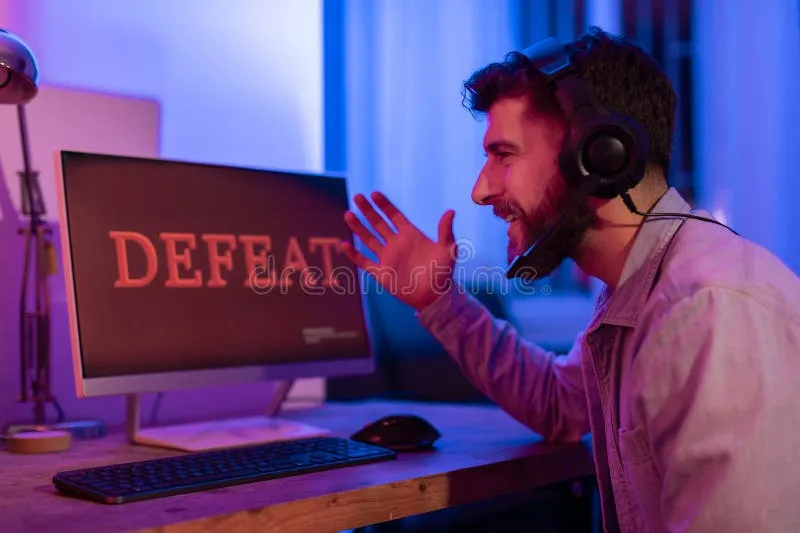
Photo: competitive gamer frustrated at computer screen esports ranked match, via thumbs.dreamstime.com
There's a specific kind of frustration that hits different. You've been grinding your way up the ranked ladder, finally feeling like your mechanics are clicking, your game sense is sharpening — and then you get absolutely dismantled by someone who somehow has a fresh account but plays like they've been competing since the original Counter-Strike beta. You know what happened. We all know what happened.
Smurfing — the practice of experienced players creating secondary accounts to compete at lower skill tiers — has been a thorn in competitive gaming's side for years. But in 2025, as platforms like 88CLB Arena have made organized competition more accessible than ever, the damage it causes isn't just annoying. It's structural. It's pushing real players out of the scene before they ever get a chance to develop.
What Smurfing Actually Looks Like in Practice
Let's be clear about what we're talking about. A smurf isn't just a good player who had a bad placement. It's someone who deliberately engineers a low-ranked account — sometimes buying one, sometimes just throwing matches during calibration — specifically to stomp on players who are genuinely at that skill level.
The motivations vary. Some do it for easy wins when their main account feels too sweaty. Others want to play with lower-ranked friends without dragging them into high-elo chaos. A smaller but particularly toxic subset just enjoys the power trip of being untouchable in a lobby where nobody can fight back.
None of those reasons hold up when you look at what it actually does to the people on the other end.
The Newcomer Problem Is Bigger Than You Think
Talk to anyone who organizes entry-level brackets on 88CLB Arena and they'll tell you the same thing: player retention at the beginner tier is fragile. New competitors are already dealing with the steep learning curves of their games. They're figuring out communication, building confidence, learning what it even means to compete as part of a team.
When a smurf drops into that environment, it doesn't just mean one lost match. It plants a seed of doubt. Am I actually this bad? Is this game even worth continuing? Tournament organizers running community cups have reported players simply not registering for follow-up events after getting steamrolled in their first experience. That's not a data point — that's a person who walked away from something they might have loved.
The competitive pipeline depends on a steady flow of developing talent. Smurfs don't just win matches — they close doors.
The Matchmaking Distortion Nobody Talks About
Here's a less obvious problem: smurfing corrupts data. Matchmaking systems — whether in a game client or a platform like 88CLB Arena — rely on accurate skill signals to build fair brackets. Every match a smurf plays at a false rank sends bad information into that system.
The smurf wins too easily, so the algorithm thinks certain players are worse than they are. Legitimate mid-tier players get unfairly penalized in seed calculations. Brackets get skewed. Over time, the entire competitive structure at certain tiers becomes unreliable — not because the players aren't skilled enough to compete fairly, but because the data feeding the system has been quietly poisoned.
This is a real operational headache for tournament organizers who are trying to build meaningful competitive experiences. When the seeding is garbage, the whole event suffers.
Detection Is Getting Smarter — But It's Not Enough Alone
Platforms and game developers have been investing in detection tools — performance outlier flags, account age verification, behavioral pattern analysis. 88CLB Arena's tournament infrastructure includes bracket integrity checks specifically designed to catch accounts whose in-tournament performance wildly diverges from their stated ranking history.
These tools matter. But detection alone isn't a complete answer, and here's why: determined smurfs adapt. They lose just enough matches to stay under the threshold. They use VPNs. They buy aged accounts with manufactured histories. The arms race between detection and evasion is ongoing, and it requires community involvement to tip the balance.
What the Community Can Actually Do
This is where it gets personal. Platform-level enforcement is necessary but not sufficient. The culture around smurfing has to shift, and that shift starts with how we talk about it.
For a long time, smurfing existed in a weird gray zone — technically frowned upon, but also kind of celebrated in certain circles. "Oh, he's just stomping noobs for fun" got treated as a quirky flex rather than what it actually is: cheating. Not in the technical sense, necessarily, but in the spirit-of-competition sense. You're misrepresenting your skill level to gain an unfair advantage. That's the definition.
High-level players on 88CLB Arena have a specific responsibility here. If you're respected in your game's community, calling out smurfing publicly — and refusing to normalize it — carries real weight. Mentorship programs, where experienced players help newer competitors develop without destroying them in ranked, are a genuinely better use of that skill gap.
For players who suspect they've encountered a smurf, use the reporting tools available. Document the match. Flag it to tournament staff. The more data organizers have, the more effectively they can act.
The Bigger Picture
Competitive gaming's greatest strength is that it's genuinely meritocratic — or at least, it's supposed to be. The whole appeal of climbing a ladder, earning a bracket seed, or winning a tournament is that it means something. It reflects real effort, real growth, real skill.
Smurfing chips away at that meaning. And when the meaning erodes, so does the community.
88CLB Arena exists to make competition accessible, fair, and worth showing up for — whether you're a first-time tournament player or a seasoned competitor. That only works if everyone in the ecosystem is playing it straight. The skill gap between veterans and newcomers doesn't need to be artificially weaponized. It needs to be bridged.
That's what a real competitive community looks like. And it's worth protecting.